今が旬の「はらこ飯」を頂きました。小さいお店なので、シーズン中の休日ということもあり、開店と同時に満席になりました。はらこ飯は、鮭の切り身にタレがついていて、比較的濃いめの味付けです。はらこ飯は、並盛り、はらこ大盛り、ご飯大盛り、全て大盛りがあります。味噌汁は、あら汁、かに汁、どちらもおかわり自由で、この店の人気の理由の一つかもしれません。こちらも、やや塩味の強い味付けですが、いかにも漁師料理!という感じです。
Overview
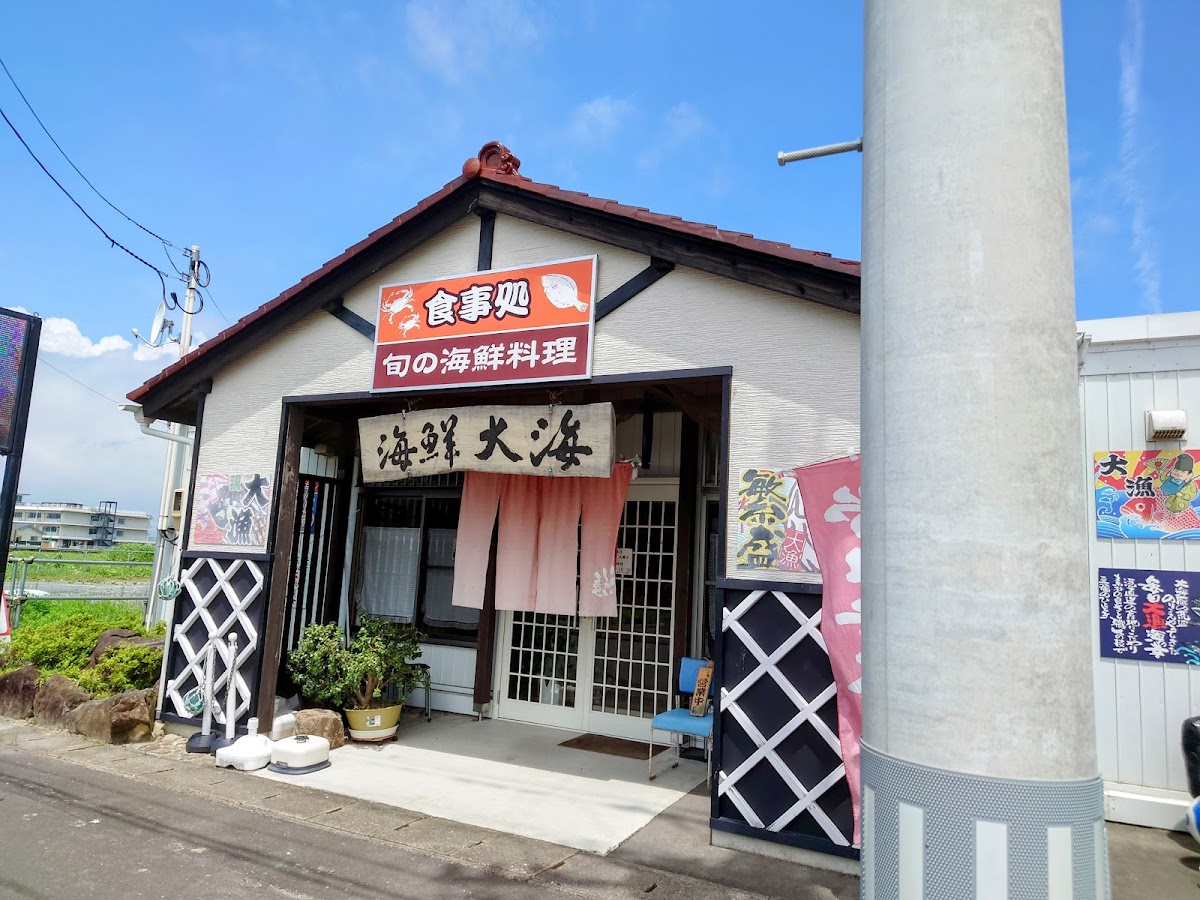
Walking into Taikai feels like stepping into a place that knows exactly what it is and doesn’t try to be anything else. Sitting quietly at Higashikikura-94-2 Arahama, 亘理町 Watari, Watari District, Miyagi 989-2311, Japan, this local diner blends into the coastal rhythm of Watari, where fishing boats, rice fields, and neighborhood routines shape daily life. I first stopped here after a long drive along the Miyagi shoreline, hungry and curious, and what I found was a restaurant that values substance over show.
The menu leans heavily into seafood, which makes sense given the town’s proximity to the Pacific. Japan’s Fisheries Agency consistently reports Miyagi Prefecture as one of the country’s top seafood-producing regions, particularly known for flounder, octopus, and seasonal shellfish. You can taste that reality here. The sashimi plates arrive fresh, clean, and properly chilled, with cuts that show careful knife work rather than rushed prep. One of the regulars next to me mentioned that the owner sources fish from the same local wholesalers he’s trusted for years, and that long-term relationship shows in the consistency.
I ordered the teishoku set, a classic Japanese diner move, and watched the process unfold from the counter. Rice was steamed to order, miso soup simmered gently instead of being reheated aggressively, and grilled fish was turned by hand, not timer. According to culinary research from the Japanese Culinary Academy, temperature control and timing are key factors in preserving umami in seafood, and Taikai clearly follows those principles in real life, not just theory.
What stood out most was how the flavors stayed honest. Nothing was drowned in sauce or overloaded with seasoning. The grilled mackerel tasted rich but clean, with crispy skin and tender flesh underneath. A small dish of pickles added acidity, balancing the meal without stealing attention. This kind of balance reflects traditional washoku values, which UNESCO recognized for emphasizing harmony and seasonal ingredients. You don’t need to know that going in, but you feel it while eating.
The location itself adds to the experience. Being in Arahama means the diner serves a mix of locals, fishermen, and travelers who stumbled upon it the same way I did. Reviews online often mention how welcoming the atmosphere feels, and that tracks. Service is straightforward, polite, and efficient. Nobody rushes you, but nobody hovers either. When I asked about a dish I didn’t recognize, the staff explained it patiently, even suggesting a variation locals prefer.
There are limits, and it’s worth being honest about them. If you’re expecting a flashy interior or experimental fusion dishes, this isn’t that place. The space is modest, and the menu doesn’t change daily. But that’s also part of why it works. A study published by the Journal of Foodservice Business Research shows that consistency is one of the top drivers of customer trust in small restaurants, especially in regional towns. Taikai leans into that strength rather than chasing trends.
Another visit a few months later confirmed the pattern. Same quality, same calm pace, same satisfying portions. That kind of reliability builds authority without trying to advertise it. You can tell the kitchen knows its craft, and the restaurant knows its role in the community. For anyone exploring Watari or driving through Miyagi, this diner offers a grounded, genuinely local food experience that feels earned rather than marketed.
Some places impress you once. Others quietly earn repeat visits. Taikai belongs firmly in the second category, and that’s exactly why it sticks with you long after the meal is over.
Good to know
Service options
✓ Dine-in ✓ DeliveryPopular for
✓ Lunch ✓ Dinner ✓ Solo diningAccessibility
✓ Wheelchair-accessible car park ✓ Wheelchair-accessible entranceOfferings
✓ Alcohol ✓ BeerDining options
✓ Lunch ✓ Dinner ✓ Table serviceAmenities
✓ ToiletAtmosphere
✓ Cosy ✓ QuietCrowd
✓ TouristsPayments
✓ Rakuten PayChildren
✓ Good for kidsParking
✓ Free parking lot ✓ ParkingPhotos
1 / 4
Location
Reviews
- No ratings yet 346 reviews
はらこ飯の他海鮮3色丼が有りました。お水、お茶はセルフです。 アラ汁とカニ汁は無料でおかわりも出来ます。駐車場は横と奥の方に専用が有ります
漁師ならではの新鮮な魚を使った人気メニューの海鮮丼を頂きにまいりました!10年近くは通いましたが、現在は本当にお客様が多くなりました。休日ともあり品切れ白米ご飯なし最後の客になってしまい、後から来た方には何だか申し訳ない気持ちでした。白米が無いとの事で、それも一興とホッキ飯を初めて頂きました笑笑 まあご飯は再度炊いてくれてたのですが… なので連れは海鮮丼で、私はお刺身定食となりホッキ飯を食べながら、おかわり自由のあら汁と蟹汁をのみながら、新鮮プリプリのお刺身を美味しく楽しめました。個人的には海鮮丼の方がやはり好きでした その他にも季節限定のはらこめし・ほっきめし弁当も好評らしいです。厨房にも美人の方がおりますが、その方の娘さんかな…可愛い子がフロアで接客してくれます。 バイクで冷えた身体も温かくなります。
シーズン2度目の亘理。今回は駐車場から車が溢れる超有名店を横目にこちらのお店へ。釣り船も運営していることもあり広い駐車場です。店内はテーブル席のみの構成、注文は店員さんへ水はセルフ。 迷わず「はらこ飯」を大きな声でオーダー。ファーストフード店並の驚きの1分強で登場です。小鉢等は準備済みではらこ飯のみを盛り付けるだけでしょうからこの時間での到着なのでしょう。(個人的にはありがたいです) 味噌汁もセルフでお代わり自由とのことで、カニ汁とアラ汁2種類の中から当然カニ汁をチョイスいたしました。カニはワタリガニでしょうか充分出汁が出ていますね。 はらこ飯は鮭がヒトデのように薄切りながら大きめの5切れ、食感はフワッとして鮭の風味が良いですね。ご飯は新米とのことですがやや硬めで味付けはやや控えめな印象です。イクラも新鮮なのか張りがありシッカリしていまして思っていた以上に三位一体となった上出来なはらこ飯です。 漬物、ひじき、炒め物とありましたが、特質は鮭の氷頭ナマス。珍味です。いままでこの地ではらこ飯を14件巡りましたが、はらこ飯に氷頭ナマスが付いたのは、「民宿はままつ」と閉店した「松寿司」さん以来の3軒目で心が躍ります。貴重な珍味をいただきただただ感謝です。感謝ついでに最後にカニ汁をお代わりしお腹も満足感もいっぱいで店を出ました。
ヒラメの漬け丼をいただきました。旬のようだし、はらこ飯はたまたま先週自分で作って食べたばかりだったので、、、。 ヒラメは味付けがよくて美味しく、満足です。カニの味噌汁は汁が美味しいし、あら汁は具が美味しい。 店の雰囲気も、漁師系の店らしいある種の雑さが個人的には好きです。家からはかなり遠いですが、今度はやっぱりはらこ飯を食べてみますかね。
釣りの帰りにお昼ご飯で立ち寄りました。はらこめしを美味しく頂きました。地元のお母さんの味付けで絶妙な美味しさを感じました。あら汁が無料で飲み放題で身体も暖まりました。 またお邪魔したいと思います。
ほっき飯を頂きました。 カニ汁とあら汁がセルフで食べ放題で最高でした。とっても美味しかったです。 ほっき飯はやや薄めの優しい味でした。 また行きたいと思います。 2023.2月再訪 またほっき飯を食べに行きました。 13:30頃でしたが、あら汁は無くなっていて、カニ汁のみ。カニ汁は甘くて美味しかったですが、あら汁も飲みたかったです。 ほっき飯は、一口噛んでガリッと石が当たりました。その後も四回位ガリッっとなり、前はこんなんじゃなかったのに…とちょっと悲しくなりました。 味は薄味で、上品な感じでした。 看板猫ちゃんがフクフクしていて可愛かったです。 はるな愛さんのサインもありました。 2025.6.14再再訪 三色丼を頂きました。1320円でお手頃で美味しかったです。メニューがシンプルになっていました。カニ汁とあら汁を各2杯頂き、満足です。